


Managing labour costs in the restaurant and retail sectors is notoriously difficult. Unlike fixed overheads, labour is highly volatile and “perishable”, an hour of overstaffing today is money gone forever. Get it right, and your business thrives; get it wrong, and your profits quickly vanish.
We recently sat down with Gerard Forde, a hospitality operations expert with over 30 years of experience. From studying accounting to running US restaurants, co-founding the healthy fast-food chain Nude, and working with Aramark, Gerard has seen it all.
He distilled his decades of expertise into 10 core tips for managing labour costs. Over the coming weeks, we will dive deep into each strategy, exploring how a mix of data-driven metrics, operational design, and human engagement can transform your bottom line.
Here is a teaser of what’s to come:
The 10 Tips for Managing Labour Costs: A Sneak Peek
1. New Week, New Schedule
- The Concept: Never simply “copy and paste” last week’s rota.
- The Why: Labour is volatile. Managers should spend at least an hour a week analysing weather, local events, and staff availability to precision-engineer the perfect schedule.
2. Set Clear KPIs (Specifically SPLH)
- The Concept: Focus on Sales Per Labour Hour (SPLH) rather than just a flat labour percentage.
- The Why: SPLH is a live, real-time metric. If you know you need £30 in sales for every hour worked to hit a 25% labour goal, floor managers have an easy, actionable target to track throughout the day.
3. Share the Numbers with Your Team
- The Concept: Radical transparency across the entire staff.
- The Why: People can’t help you hit a target they can’t see. Sharing cost realities during pre-service briefings helps the team understand how business profitability ensures their own job security.

4. Track KPIs Daily (and Hourly)
- The Concept: Proactive management vs. a post-mortem review.
- The Why: Checking labour costs at the end of the week is too late. Checking them at 1 PM, 3 PM, and 5 PM allows for “in-flight” adjustments—like sending people home early or bringing in extra help before a rush.
5. Every Dish Has a Labour Price
- The Concept: Menu engineering through a labour lens.
- The Why: A dish might have low food costs but require highly technical, time-intensive prep. Sometimes, pre-prepped ingredients or a streamlined menu yield higher overall profits.
6. Consider Ergonomics
- The Concept: Your physical layout dictates your labour needs.
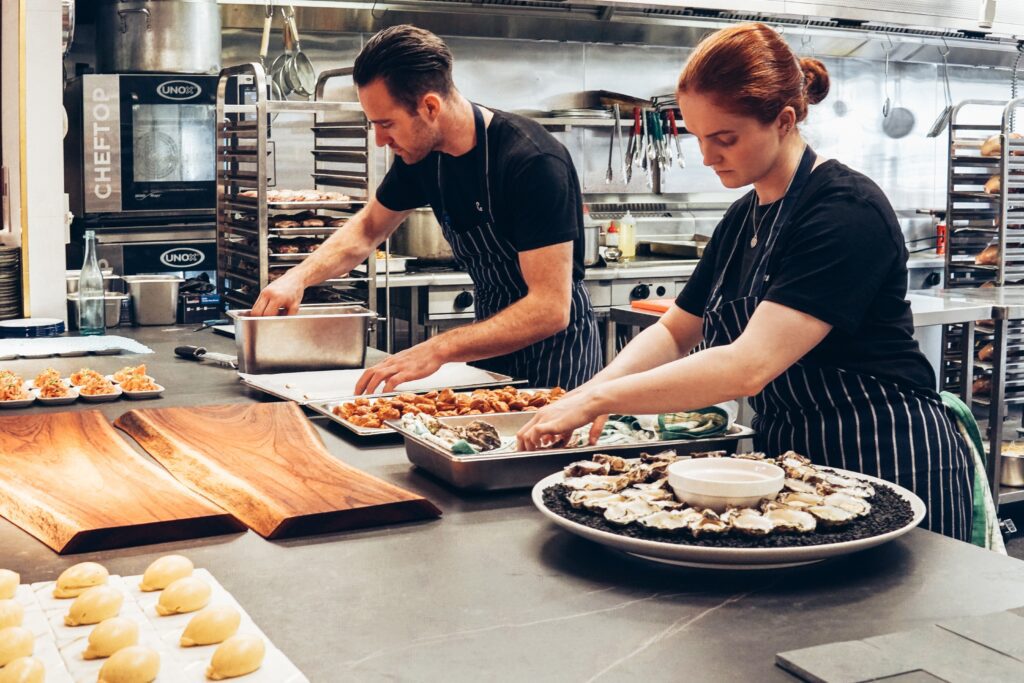
- The Why: If your kitchen is spread over multiple floors, you are paying for “walking time.” Gerard shares how reducing a kitchen’s footprint by 80% can slash labour costs by 20% through smart design.
7. Review Opening & Closing Procedures
- The Concept: Staggered starts and “early breakdowns.”
- The Why: Don’t wait until the doors close to start cleaning. Breaking down specific sections early and using strict checklists ensures staff aren’t hanging around unproductively after the final order.
8. Control Clock-ins and Clock-outs
- The Concept: Eliminate “time creep.”
- The Why: Arriving 15 minutes early or staying late to chat adds up to massive monthly losses. Implementing structured tracking ensures you pay exactly for scheduled shifts while maintaining safety compliance.
9. Celebrate Efficiency Wins
- The Concept: Reward an “entrepreneurial” mindset.
- The Why: Floor staff often have the best cost-saving ideas. Incentivising them with small rewards for innovations creates a culture where everyone looks out for the business’s financial health.
10. Technology is the Hammer, You are the Carpenter
- The Concept: Use modern tools, but keep the human touch.
- The Why: Software is brilliant at automating complex admin tasks like calculating overtime and tracking breaks. However, human intelligence is still required for the “human story”, machines don’t know your team’s personal dynamics!
Driving Efficiency with the Right Tools
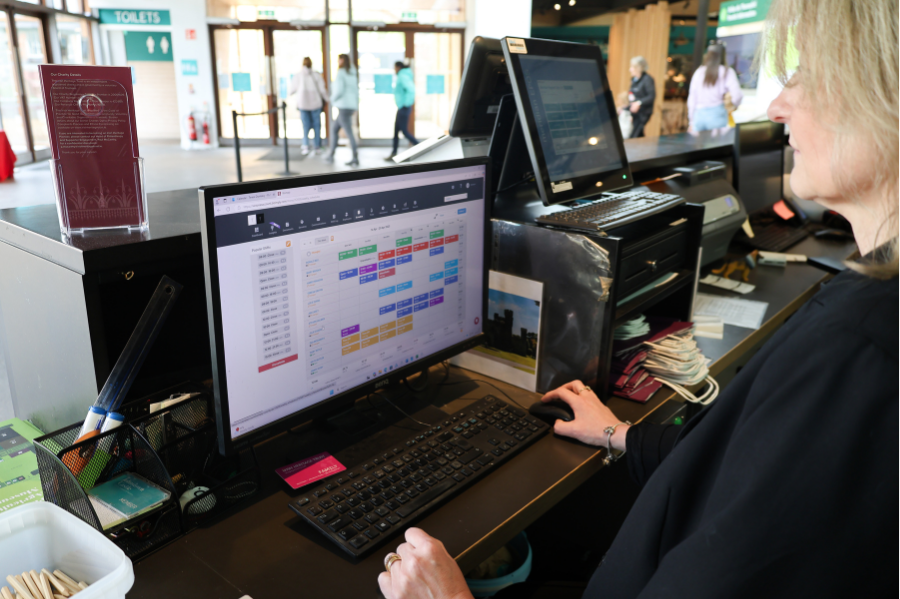
Implementing these ten rules consistently requires the right infrastructure. A modern workforce management platform can take the heavy lifting out of your operational admin. By automating complex tasks, such as tracking varied pay rates, flagging attendance anomalies, and generating real-time SPLH metrics, the right software gives managers their time back. Instead of getting buried under spreadsheets, leaders can focus on what truly matters: training staff, optimising the floor, and engaging with customers.
Ready to Transform Your Scheduling?
If you are looking to put Gerard’s tips into action and streamline your business operations, Bizimply is here to help. Our workforce management platform is designed specifically for the fast-paced hospitality and retail sectors, helping you control labour costs, build smarter rotas, and empower your managers.
Want to see how it works in real-time, or ready to book a private consultation with Gerard Forde to discuss your operational strategy? Book a free Bizimply demo today and take the first step toward total labour control.